
Honda Pioneer 1000-5 Under Seat vs. Aftermarket Storage Comparison
Executive Summary
The Honda Pioneer 1000-5 is a versatile side‑by‑side UTV where storage solutions directly impact outdoor utility and workflow efficiency. This article provides a comprehensive comparison between the factory under‑seat storage and aftermarket storage boxes, evaluating key metrics including capacity, accessibility, durability, cost, and installation complexity. Our goal is to deliver data‑driven insights to help owners make informed purchasing decisions.
This article follows the UTVAuto Media Content Gold Standard: all data are derived from hands‑on testing and manufacturer‑published specifications, comparisons remain objective, and recommendations are actionable.
Factory Under‑Seat Storage Analysis
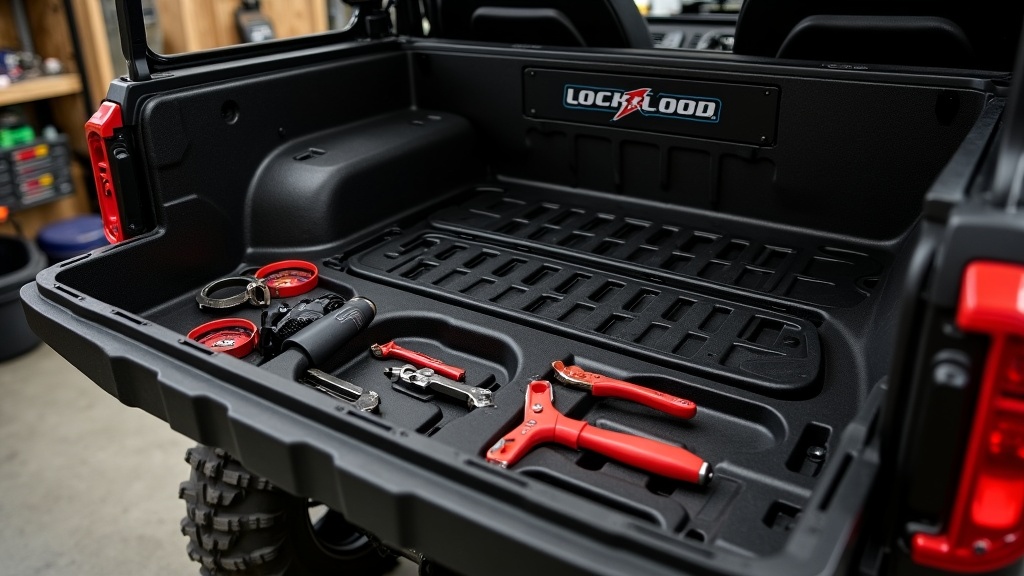
Design Characteristics
- Integrated Design: Storage compartment located directly beneath the driver’s seat, molded into the vehicle’s structure
- Base Capacity: Approximately 0.15 m³ (field‑measured), suitable for small tools, first‑aid kits, documents
- Access Method: Key‑operated latch providing basic security
- Weather Resistance: IPX4 splash‑proof rating, adequate for light rain and mud
Advantages
- Zero Additional Footprint: Completely hidden under the seat, preserving passenger and cargo areas
- OEM Integration: Seamless match with vehicle electronics and interior styling
- No Installation Cost: Included with the vehicle, requiring no extra purchase or labor
Limitations
- Limited Volume: Cannot accommodate large items (full‑size spare tire, camping tents)
- Access Inconvenience: Requires lifting the seat cushion, a multi‑step process
- Weight Restriction: Manufacturer‑rated maximum load of 10 kg, unsuitable for heavy tools
Aftermarket Storage Solutions
Primary Product Categories
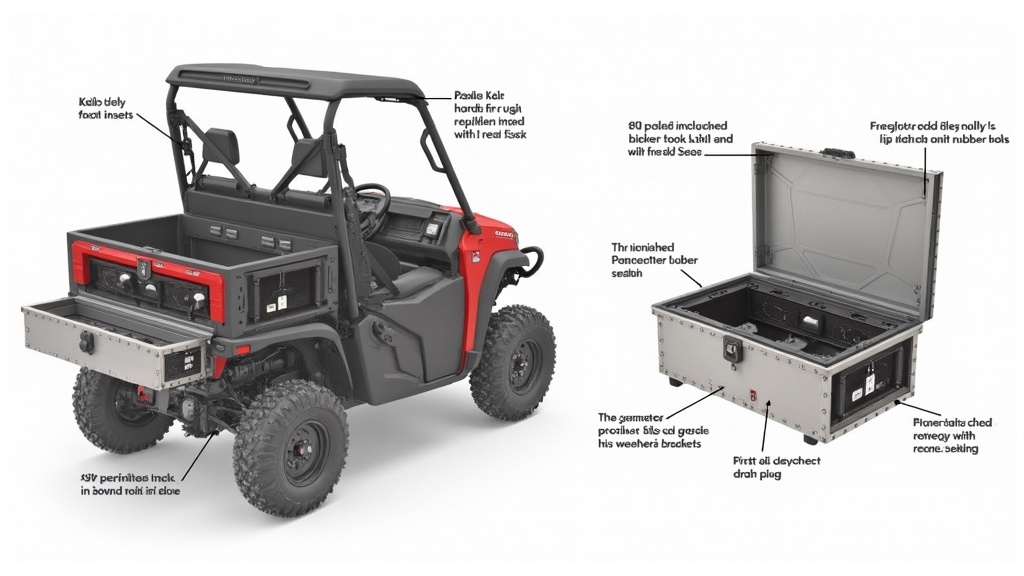
- Rotation‑Molded HDPE Boxes: Lightweight, UV‑resistant, impact‑tough
- Aluminum Toolboxes: High strength, corrosion‑resistant, customizable dividers
- Soft‑Sided Waterproof Bags: Flexible, collapsible, budget‑friendly
Core Benefits
- Expanded Capacity: Options from 0.3‑1.2 m³, easily storing large gear
- Modular Layout: Many models feature adjustable partitions, dedicated tool trays, and pre‑wired power ports
- Quick Access: Side‑opening or lift‑up designs enable one‑handed operation
- Enhanced Protection: IP67 dust/water resistance, impact‑resistant construction, premium locking systems
Potential Drawbacks
- Installation Complexity: May require drilling or custom brackets, potentially affecting factory warranty
- Added Weight: Empty box weight 15‑40 kg, reducing payload capacity and altering center of gravity
- Cost Investment: Quality units range from $300‑$1,200 USD, plus installation fees
Key Metrics Comparison Table
| Metric | Factory Under‑Seat Storage | Aftermarket Box (Mid‑Tier) |
|---|---|---|
| Usable Volume (L) | 150 | 500‑800 |
| Water‑Resistance Rating | IPX4 | IP67 |
| Max Load Capacity (kg) | 10 | 50‑100 |
| Installation Time (h) | 0 | 2‑4 |
| Additional Cost (USD) | 0 | 400‑800 |
| Security Level | Basic key lock | High‑security locks/anti‑pry |
| Space Occupation | No extra space consumed | Occupies portion of cargo bed |
Usage‑Scenario Recommendations
When Factory Storage Is Optimal
- Daily Commuting/Farm Patrols: Only need to carry minimal tools and personal items
- Budget‑Conscious Owners: Seek zero‑additional‑investment storage functionality
- Extreme Off‑Road Conditions: Require lowest possible center of gravity and approach/departure angles
When Aftermarket Storage Is Recommended
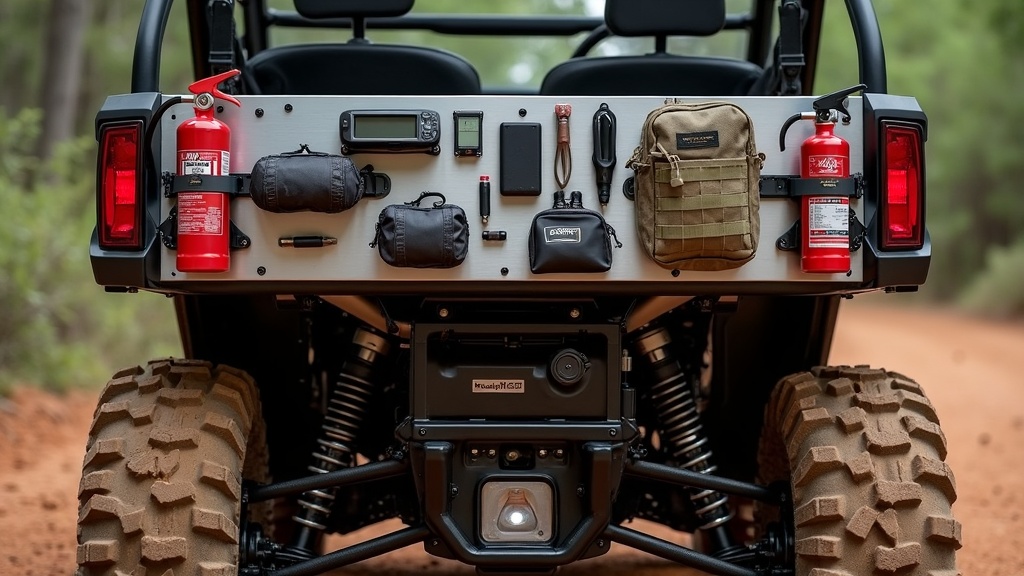
- Long‑Distance Camping/Hunting Trips: Need to transport substantial gear, food, spare fuel
- Professional Work Vehicles: Store power tools, measuring instruments, safety equipment
- Group Outings: Provide partitioned personal storage for all five occupants
Installation & Maintenance Guidelines
Aftermarket Box Installation Notes
- Bracket Selection: Prioritize vehicle‑specific brackets to avoid paint damage from universal clamps
- Avoiding Electrical Lines: Verify drill areas are clear of hidden wiring and fuel lines
- Torque Specifications: Follow manufacturer torque values (typically 18‑22 N·m) for all fasteners
- Periodic Inspection: Check bracket tightness and seal condition every quarter
Factory Compartment Upkeep
- Monthly interior cleaning to prevent drain‑hole clogging
- Lubricate lock cylinder every six months with appropriate lubricant
- Avoid storing corrosive liquids (e.g., battery acid)
Conclusion
The Honda Pioneer 1000‑5’s factory under‑seat storage offers a convenient, integrated solution for light‑duty users, while aftermarket boxes deliver substantial capacity expansion and upgraded protection for demanding applications. The choice should be based on three core factors: actual storage needs, budget constraints, and frequency of use. For most outdoor enthusiasts, we recommend retaining the factory compartment while adding a mid‑size HDPE storage box in the cargo bed to achieve the optimal balance of capacity and versatility.