
Introduction
The Polaris Ranger is renowned for its versatility and durability in off-road environments, serving as a reliable workhorse for farmers, hunters, and outdoor enthusiasts. However, many owners seek to enhance their vehicle’s performance, particularly in terms of speed and torque, to tackle more challenging terrains or simply enjoy a more exhilarating ride. This guide will walk you through proven methods to boost your Polaris Ranger’s speed and torque, ensuring you achieve optimal performance while maintaining reliability.
Understanding the balance between speed and torque is crucial. Speed refers to how fast your vehicle can travel, while torque is the rotational force that enables acceleration and heavy-load pulling. Improving both requires a holistic approach involving engine modifications, drivetrain upgrades, and weight reduction strategies.
1. Understanding Speed and Torque Fundamentals
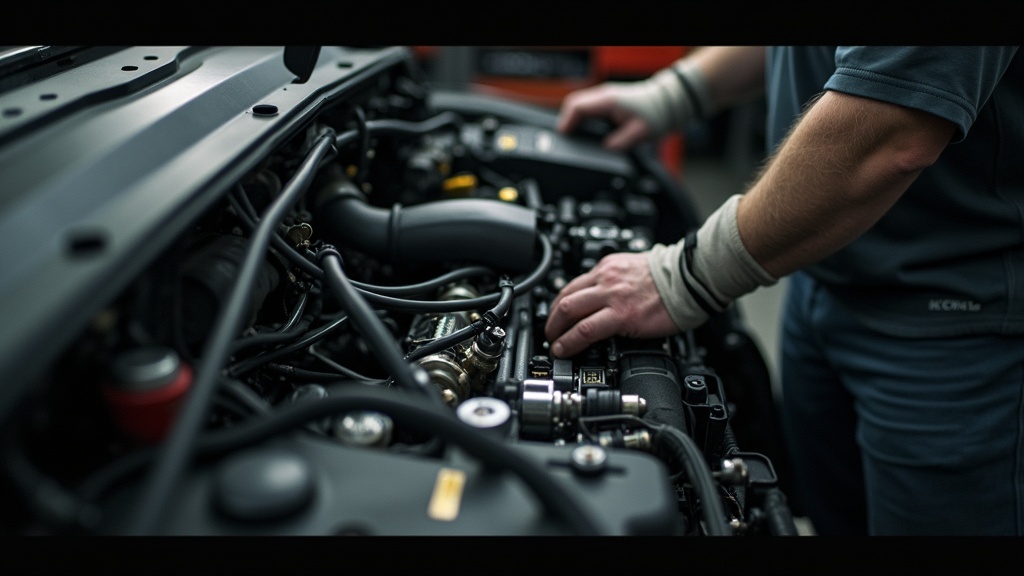
Before diving into modifications, it’s essential to grasp the basic mechanics. The Polaris Ranger typically comes with a four-stroke engine that delivers power through a continuously variable transmission (CVT). Torque is generated by the engine and multiplied through the transmission and differentials to the wheels. Speed is influenced by gear ratios, engine RPM, and external factors like tire size.
Key factors affecting performance:
- Engine displacement: Larger engines generally produce more power.
- Air-fuel mixture: Optimal combustion requires precise air and fuel delivery.
- Exhaust flow: Efficient expulsion of exhaust gases reduces backpressure.
- Drivetrain efficiency: Minimizing power loss through the transmission and axles.
- Weight: Lighter vehicles accelerate faster and achieve higher speeds.
2. Engine Tuning and ECU Remapping
The Engine Control Unit (ECU) manages fuel injection, ignition timing, and other critical parameters. Reprogramming the ECU can unlock hidden performance.
Steps for ECU Remapping:
- Research compatible tuners: Devices like the Dynojet Power Commander or EVO Powersports tuner are popular.
- Connect the tuner: Plug into the diagnostic port under the dashboard.
- Select a performance map: Choose a map that emphasizes torque or top speed based on your needs.
- Upload the map: Follow the device instructions to flash the new settings.
- Test and adjust: Monitor performance and fine-tune if necessary.
Benefits:
- Increased horsepower and torque
- Improved throttle response
- Better fuel efficiency (when tuned correctly)
3. Exhaust System Upgrades
A restrictive stock exhaust can limit performance. Upgrading to a high-flow exhaust system reduces backpressure, allowing the engine to breathe easier.
Options:
- Full exhaust systems: Replace the entire exhaust from headers to muffler.
- Slip-on mufflers: Easier installation, but less performance gain.
- Headers: Improve exhaust flow from the engine.
Installation Tips:
- Ensure proper fitment for your Ranger model.
- Use high-temperature sealant to prevent leaks.
- Consider heat shielding near plastic components.
4. Intake System Optimization
More air into the engine means more power. Upgrading the intake system can provide significant gains.
Components to upgrade:
- High-flow air filter: Replace the stock paper filter with a reusable cotton or foam filter.
- Cold air intake: Relocates the air filter outside the engine bay for cooler, denser air.
- Throttle body spacer: Improves airflow turbulence for better mixing.
Maintenance:
- Clean reusable filters regularly.
- Check for air leaks after installation.
5. Drivetrain Modifications
The CVT system can be tuned for better performance.
Clutching Upgrades:
- Heavier clutch weights: Engage at higher RPM for more torque.
- Stiffer primary spring: Changes shift points.
- Aftermarket belt: Reduces slippage and improves durability.
Gear Reduction Kits:
- Lower gear ratios increase torque at the expense of top speed.
- Ideal for heavy towing or steep terrain.
6. Tire and Suspension Adjustments
Tire size directly affects speed and torque. Larger tires reduce effective gear ratio, lowering acceleration but potentially increasing top speed.
Recommendations:
- For torque: Stick to stock or slightly smaller tires.
- For speed: Consider larger tires with a corresponding gear adjustment.
Suspension:
- Stiffer springs reduce squat during acceleration.
- Adjustable shocks allow fine-tuning for different loads.
7. Weight Reduction Strategies
Every pound saved improves performance.
Areas to address:
- Remove unnecessary accessories.
- Replace steel components with aluminum or carbon fiber.
- Use lightweight wheels and tires.
Caution: Avoid compromising structural integrity or safety.
8. Regular Maintenance for Peak Performance
A well-maintained Ranger performs better.
Essential maintenance:
- Change oil and filters regularly.
- Inspect spark plugs and replace if worn.
- Check CVT belt for wear and proper tension.
- Ensure proper tire pressure.
9. Safety Considerations
Performance modifications can affect handling and reliability.
Important safety checks:
- Test brakes after weight reduction or speed increases.
- Ensure suspension can handle higher speeds.
- Never exceed manufacturer-recommended limits for components.
10. Conclusion
Improving your Polaris Ranger’s speed and torque requires a combination of engine tuning, exhaust and intake upgrades, drivetrain modifications, and weight reduction. By following this comprehensive guide, you can achieve noticeable performance gains while maintaining the reliability and durability that Polaris is known for. Always prioritize safety and consult professionals when in doubt.
Remember, each modification should be matched to your specific needs—whether it’s faster trail riding, heavier towing, or better hill climbing. With careful planning and execution, your Polaris Ranger can become a more powerful and capable machine.