
A UTV pre-ride inspection should cover tires, wheels, brakes, steering, fluids, lights, battery, belt area, cargo, and safety gear before every serious ride. The goal is not to replace scheduled maintenance, but to catch obvious problems before they become trail failures.
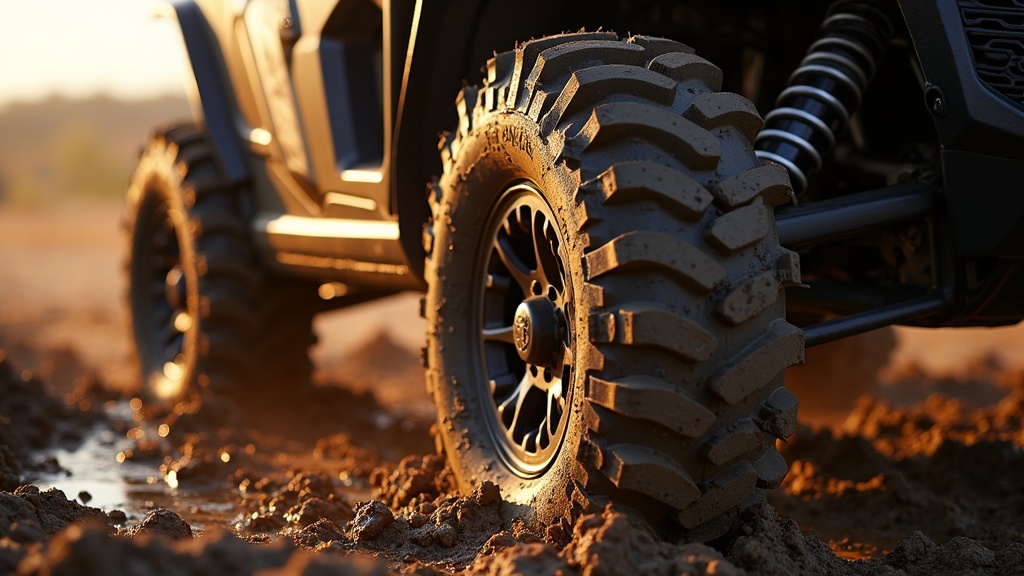
Quick Pre-Ride Checklist
| Area | What to check | Why it matters |
|---|---|---|
| Tires | Pressure, cuts, punctures, sidewall damage, lug wear | Traction, steering, and trail reliability |
| Wheels | Lug nuts, bent wheels, visible cracks | Wheel security and vibration prevention |
| Brakes | Pedal feel, fluid level, pad wear, unusual noise | Stopping distance and downhill control |
| Steering and suspension | Loose feel, damaged boots, leaks, odd clunks | Control and component safety |
| Fluids | Engine oil, coolant, brake fluid, fuel | Heat control and engine protection |
| Electrical | Battery, lights, horn, winch, switches | Starting, visibility, and recovery |
| Cargo | Tie-downs, bed load, tools, recovery gear | Weight balance and trail safety |
1. Check Tires and Tire Pressure
Tires are the fastest place to find a problem before a ride. Look for nails, sidewall cuts, exposed cords, uneven wear, missing lugs, and pressure that does not match your terrain or load.
If you are unsure how to read tire numbers, start with UTV Tire Size Explained. For soft terrain setup, see Best UTV Tire Pressure for Mud Riding.
2. Inspect Wheels and Lug Nuts
Walk around the UTV and look at each wheel. Check for loose or missing lug nuts, cracked wheels, bent lips, and anything that looks different from the last ride. If a wheel was recently removed, re-check torque according to the owner’s manual or wheel manufacturer’s guidance.
3. Test the Brakes Before You Need Them
Press the brake pedal before starting the ride. It should feel firm and predictable, not spongy or unusually low. Look for leaks, listen for scraping, and pay attention to brake smell or grinding during the first slow roll.
Brake problems matter more on hills, wet trails, loaded utility rides, and group rides where stopping distance changes quickly.
4. Look Over Steering and Suspension
Turn the steering from side to side and listen for clunks or binding. Inspect visible suspension arms, shocks, boots, and steering links. A small tear in a boot or a loose-feeling front end is easier to address at home than on the trail.
5. Check Fluids and Leaks
Check engine oil according to your owner’s manual, and make sure coolant and brake fluid are within the correct range. Look under the UTV for fresh drips. A small leak can become a major problem once heat, load, and rough terrain are added.
6. Check Battery, Lights, and Electrical Gear
Confirm the UTV starts normally and that headlights, taillights, brake lights, and accessory lights work. If you rely on a winch, GPS, radio, or light bar, test it before you are deep into the ride.
7. Secure Cargo and Recovery Gear
Loose cargo can shift, damage the vehicle, or create a safety issue. Secure coolers, tools, fuel containers, hunting gear, farm supplies, and recovery equipment. Keep heavy items low and centered when possible.
If tires are on your upgrade list, our Best UTV Tires guide explains how to choose tread type and construction based on terrain.
What to Carry on Most UTV Rides
- Tire pressure gauge and portable compressor.
- Tire plug kit or repair plan.
- Basic tool kit matched to your machine.
- Recovery strap, soft shackles, and gloves.
- First-aid kit and emergency contact plan.
- Water, weather-appropriate clothing, and navigation backup.
FAQ
How often should I inspect my UTV?
Do a quick pre-ride inspection before every serious ride, work day, or trip away from home. Scheduled maintenance should still follow the owner’s manual.
Is a pre-ride check different from maintenance?
Yes. A pre-ride check is a quick safety and condition scan. Maintenance is planned service such as oil changes, filter service, belt inspection, brake work, and fluid replacement.
Should I check tire pressure before every ride?
Yes. UTV tire pressure affects traction, steering, load support, and tire damage risk. It is one of the easiest checks to perform before leaving.
What should stop me from riding?
Do not ride if you find brake failure, major fluid leaks, loose wheels, damaged steering components, severe tire damage, or anything that makes the vehicle unsafe to control.
Editorial note: This checklist is general guidance. Always follow your vehicle owner’s manual, service schedule, safety labels, and local riding rules.

